
A mole check is a clinical assessment of moles and pigmented skin lesions to evaluate their appearance and identify any changes that may require closer attention. While most moles are harmless, some can change over time. A professional review by a dermatologist can help provide clarity, reassurance, and guidance on whether monitoring or further evaluation is needed.
A mole check involves a medical examination of moles, freckles, and other pigmented spots on the skin. The assessment looks at features such as size, shape, colour, and symmetry, as well as any recent changes you may have noticed.
Mole checks are suitable for:
Moles can change due to age, sun exposure, hormones, or other factors. In some cases, changes may warrant closer observation or further investigation.
A mole check can help to:

You may wish to consider a mole check if you notice a new mole appearing in adulthood, or if an existing mole has changed in size, shape, or colour over time. Moles that look noticeably different from others on your skin, or that cause symptoms such as itching, bleeding, crusting, or unexplained discomfort, may also benefit from assessment. Individuals with a personal or family history of skin cancer, as well as those with significant past sun exposure or repeated sunburns, may choose to have moles reviewed for reassurance and guidance.
The ABCDE guide is a commonly used tool to raise awareness of mole features that may warrant review. It is not a diagnostic test, but a general reference to help identify changes that should be checked by a dermatologist. Not all concerning moles meet these criteria, and not all moles that meet these criteria are harmful. A clinical assessment is needed to determine significance.
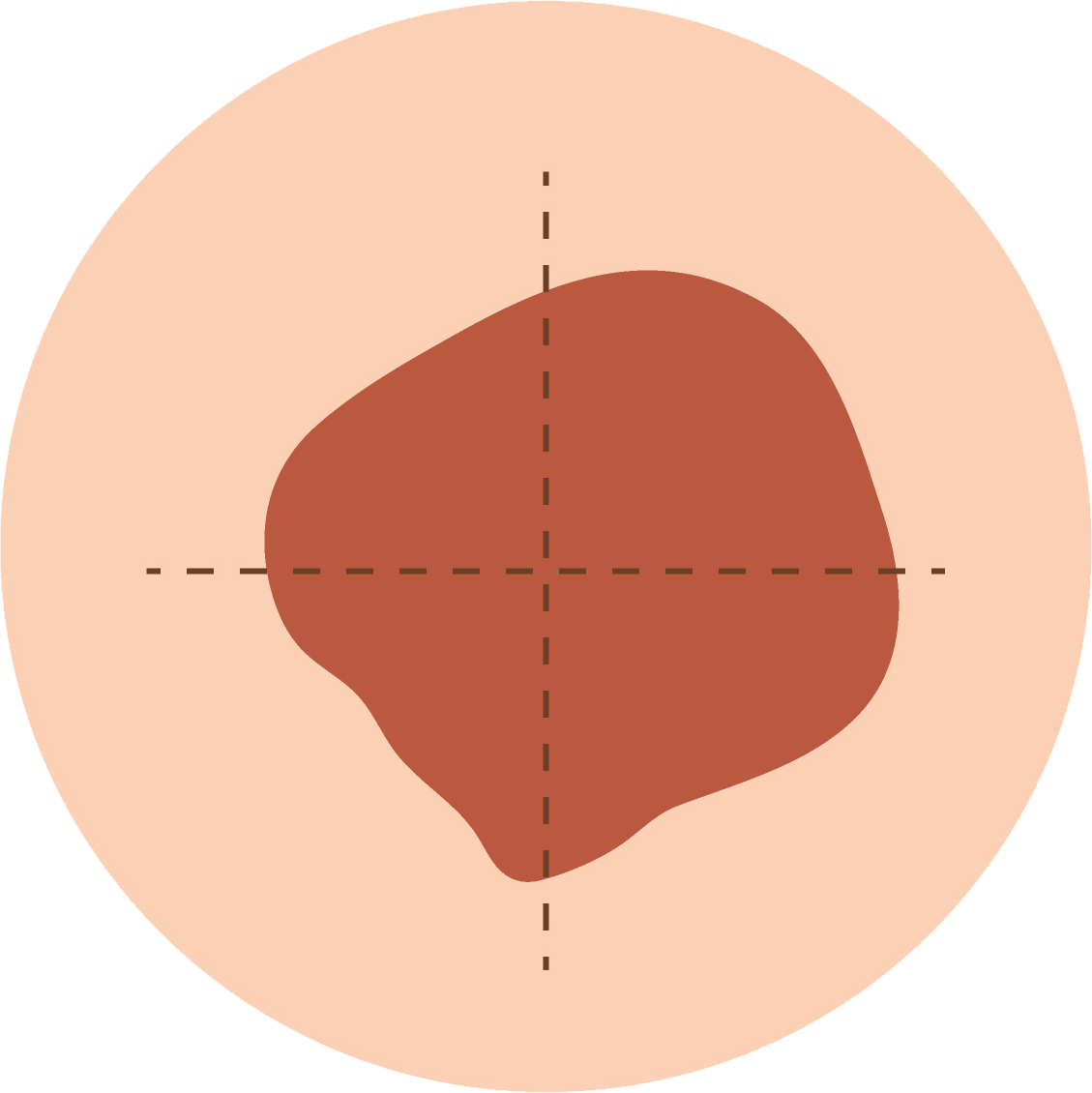


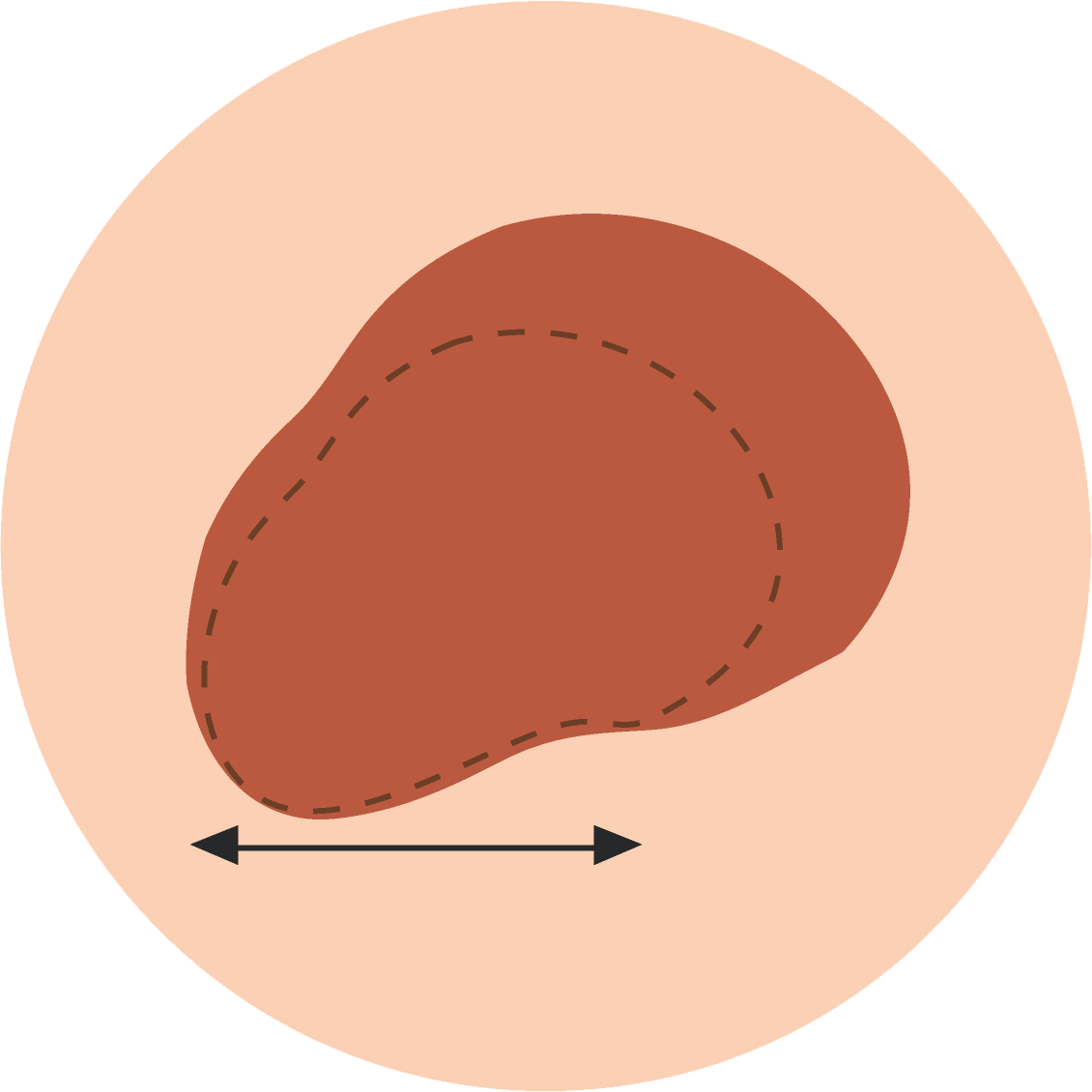

Images in this section are designed by Freepik
During a mole check, our dermatologist may:
During a mole check and related skin assessment, a range of benign and malignant skin conditions may be identified. Many findings are non-cancerous and require only reassurance or monitoring, while others may need further evaluation.
These may include:
If you have a mole that concerns you or would like an assessment with our dermatologist, Dr Laura Hui, you may book an appointment for a mole check.