
Changes in your nails can be more than just cosmetic. Nails may become thickened, brittle, discoloured, painful, or start separating from the nail bed. In some cases, nail changes occur on their own. In others, they may be linked to underlying skin or medical conditions.
Understanding the cause is important, as treatment depends on the specific diagnosis.
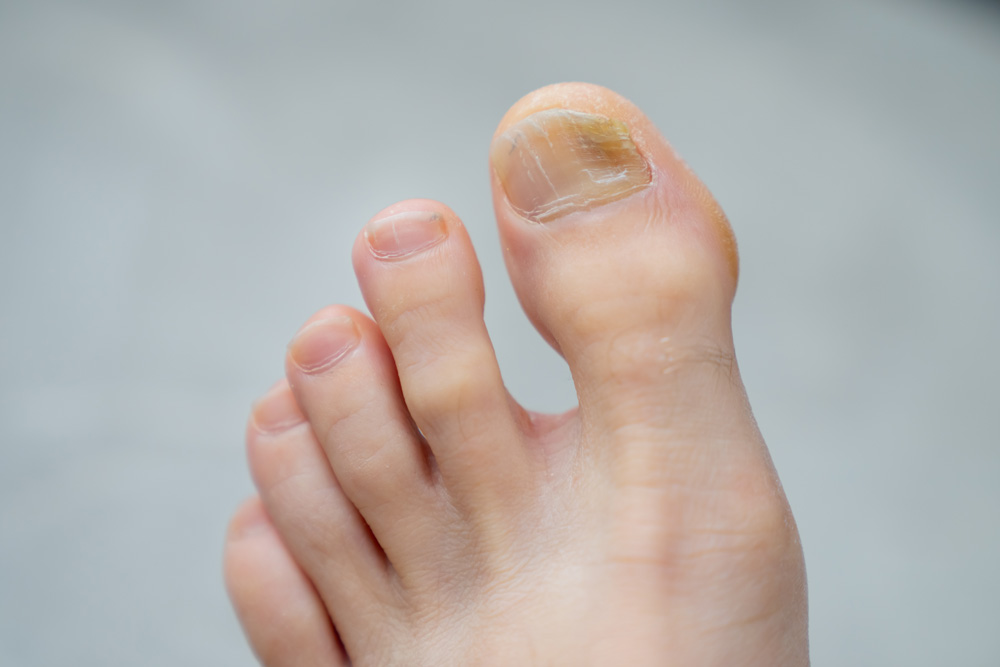
Nail psoriasis occurs when psoriasis affects the nail or surrounding skin. It can cause visible changes such as dents, discolouration, thickening, or lifting of the nail from the nail bed.
You may notice:
Treatment may include prescription topical treatments and injections or biologics in selected cases. Management depends on severity and whether skin and/or psoriasis is also present.
If your nails frequently split, peel, or break, you have brittle nails. This is commonly due to repeat exposure to moisture, heat and harsh chemicals, or sometimes, ageing. In some cases, nutritional deficiencies or other underlying medical conditions may also contribute.
Management focuses on protecting the nails and skin/nail folds, improving skin hydration, and addressing any underlying causes where necessary.
This condition causes the nail — often the big toe — to become thickened, overgrown, and curved. It may resemble a ram’s horn and can result from injury, genetics, fungal overgrowth, or skin conditions such as psoriasis.
Treatment typically involves professional trimming and proper nail care. In more severe or recurrent cases, minor procedures such as nail avulsions may be considered.
An ingrown toenail develops when the edge of the nail grows into the surrounding skin, causing pain, redness, and swelling. If untreated, infection may occur.
Common causes include improper trimming, tight footwear, injury, or genetic predisposition.
Mild cases may improve with proper foot care, while persistent or painful cases may require minor surgical treatment such as nail avulsions to prevent recurrence.
Fungal infections often affect toenails and may cause thickening, yellow or brown discolouration, brittleness, or crumbling. The infection develops when fungi enter through small cracks in the nail.
Treatment may involve topical or oral antifungal medication. Because nails grow slowly, treatment can take several months, and early management improves outcomes.
Onycholysis refers to the painless lifting of the nail away from the nail bed. It may be caused by trauma, excessive filing, chemical exposure, psoriasis, fungal infections, or certain medications.
Management focuses on identifying and treating the underlying cause while protecting the nail from further damage.
Paronychia is a common infection of the skin surrounding the nail. It may develop suddenly after injury (acute) or gradually with repeated exposure to irritants (chronic).
Symptoms include redness, swelling, tenderness, and sometimes pus formation. Treatment depends on whether the infection is bacterial, fungal, or related to ongoing irritation.
Nail conditions can develop for many reasons, including:
Because nails grow slowly, changes may take time to appear and time to resolve.

You may consider seeking medical advice if:
Nail changes can sometimes reflect underlying health conditions. Early assessment allows appropriate treatment before symptoms progress.
It is best to consult a dermatologist first. If treatment is appropriate, ensure the salon maintains strict hygiene and uses properly sterilised tools.
Mild infections may respond to over-the-counter treatments, but persistent cases often require prescription medication for better results.
Sometimes. While frequent water exposure is a common cause, brittle nails may occasionally indicate nutritional deficiencies or thyroid conditions.
Minor procedures may be considered for recurrent ingrown toenails, persistent fungal infections not responding to medication, or severe nail deformities affecting comfort or function.
Nail conditions vary widely in appearance and underlying cause. During your consultation, our dermatologist will carefully assess your nail changes, identify possible contributing factors, and discuss suitable treatment options based on your diagnosis and lifestyle.
Our approach focuses on personalised care in a calm and supportive environment, ensuring that management plans are tailored to your specific concerns.
If you are experiencing persistent or concerning nail changes, schedule a consultation with us for further evaluation.