
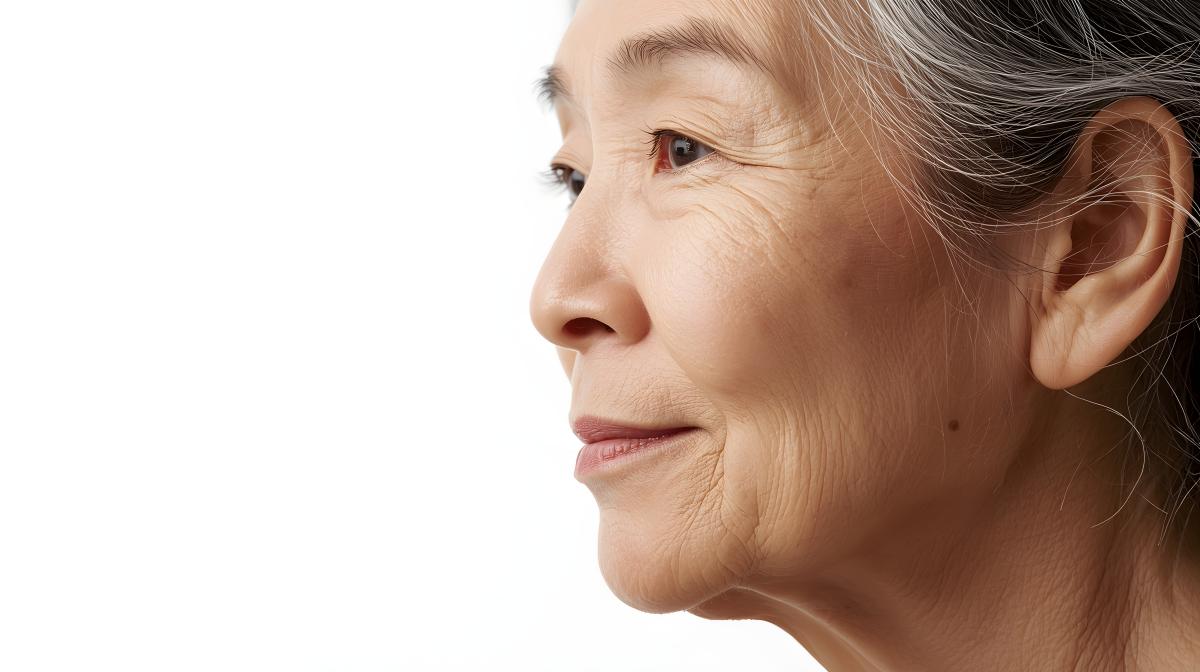
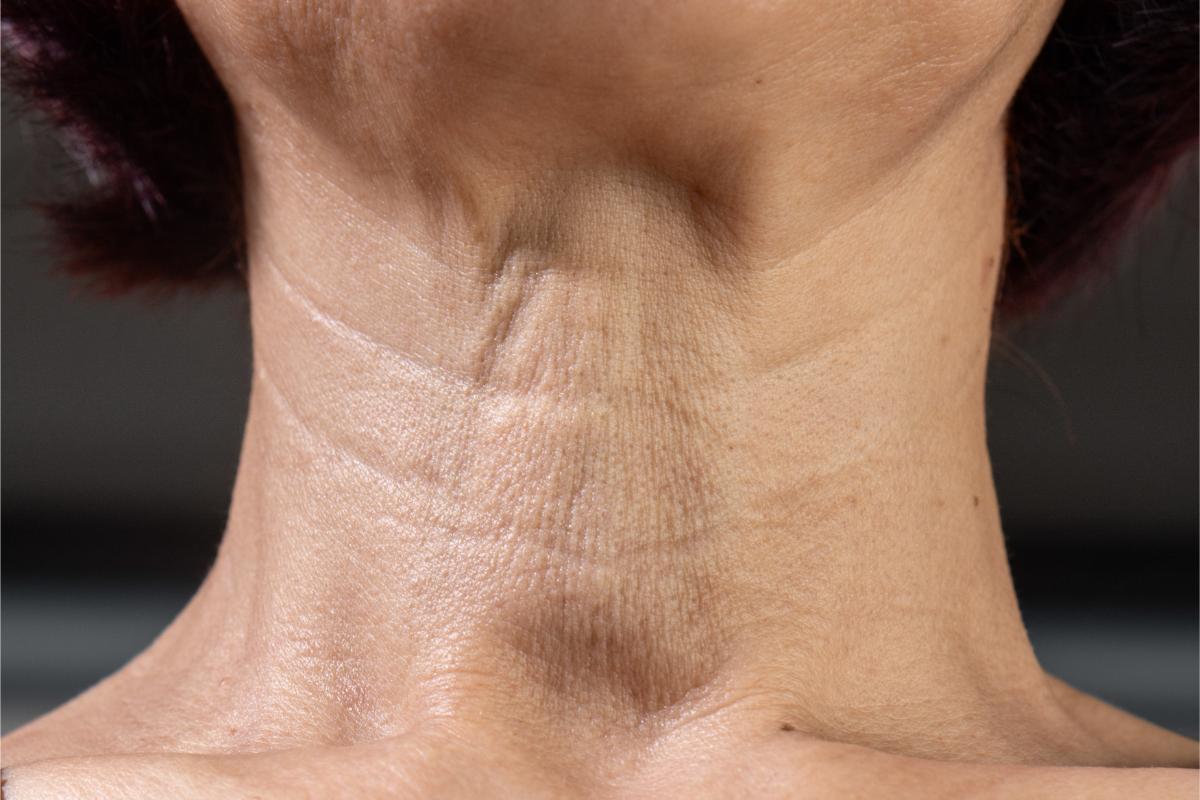
As we get older, our skin gradually loses firmness and elasticity, leading to sagging. This loss of structural support can cause the skin to appear loose or droopy, particularly around the face, jawline, and neck. Saggy skin is a common concern that may make someone look more tired or older than they feel.
Common areas affected by saggy skin include:
Loose or sagging skin can appear in several parts of the body, especially areas prone to sun exposure, age-related volume loss, gravitational pull, or major weight changes:
Reduction in facial fat and collagen, particularly in the mid-face, temples, and under-eye areas. This can create a hollow or sunken appearance, contributing to a tired or gaunt look. Treatments often focus on volume restoration.



Chronic stress and insufficient rest can reduce the skin’s ability to repair and regenerate, contributing to sagging.

A non-invasive treatment that targets deeper structural layers of the skin to support lifting and tightening.

Consider consulting a dermatologist if you notice early signs of skin laxity in your late 20s to 30s, significant changes following rapid weight loss or pregnancy, or persistent sagging around the jawline, neck, or eyes (“turkey neck” or jowls) that doesn’t respond to skincare. Non-invasive treatments such as energy-based devices and lasers are most effective for mild to moderate sagging.
Key reasons to seek professional advice:
A dermatologist can assess your skin and recommend a tailored plan to restore firmness and maintain a youthful appearance.
Rapid weight changes can lead to sagging skin. When the skin stretches quickly during weight gain, it may lose elasticity and fail to fully retract after weight loss, resulting in loose, overhanging skin. This is commonly seen after pregnancy or with rapid weight loss from medications such as semaglutide.
Weight fluctuations can also cause fat redistribution in the face, sometimes leading to a hollowed or gaunt appearance, now popularly referred to as “Ozempic face.”
Yes, sagging skin can be improved with non-surgical treatments. Options such as topical retinoids, dermal fillers, laser treatment, and energy-based devices stimulate collagen production and help tighten the skin.
However, while these treatments improve firmness and texture, they cannot achieve the same level of lift and contour restoration as surgical procedures.
As we age, collagen and elastin production decline, causing skin to lose firmness and sag. While ageing cannot be completely reversed, sagging especially around the jawline and neck can be improved with procedures to restore contours and include Botox, laser treatment, energy-based devices and surgical face or neck lift.
Sagging skin can differ in severity, location, and underlying causes. During your consultation, our dermatologist will carefully assess your skin, evaluate the degree of laxity, and discuss factors that may be contributing to your concerns.
Based on your individual goals and the areas affected, a personalised treatment plan will be recommended. The aim is to provide suitable options that support firmer, healthier-looking skin in a safe and medically guided manner.