Enlarged Pores

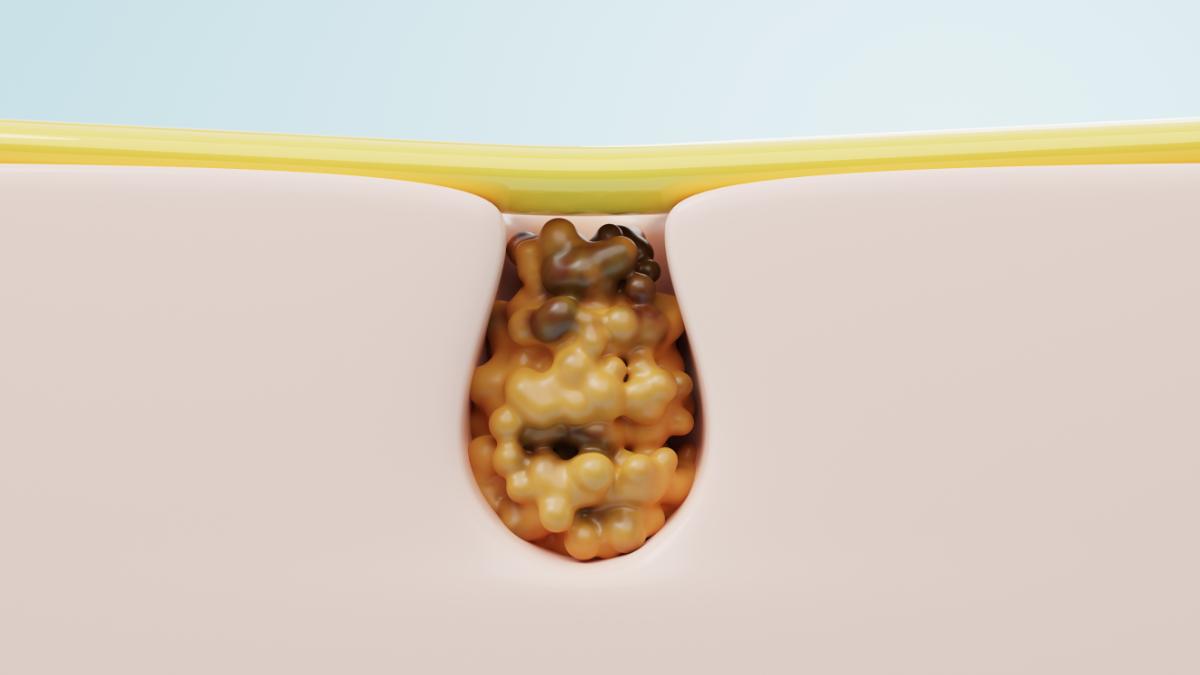
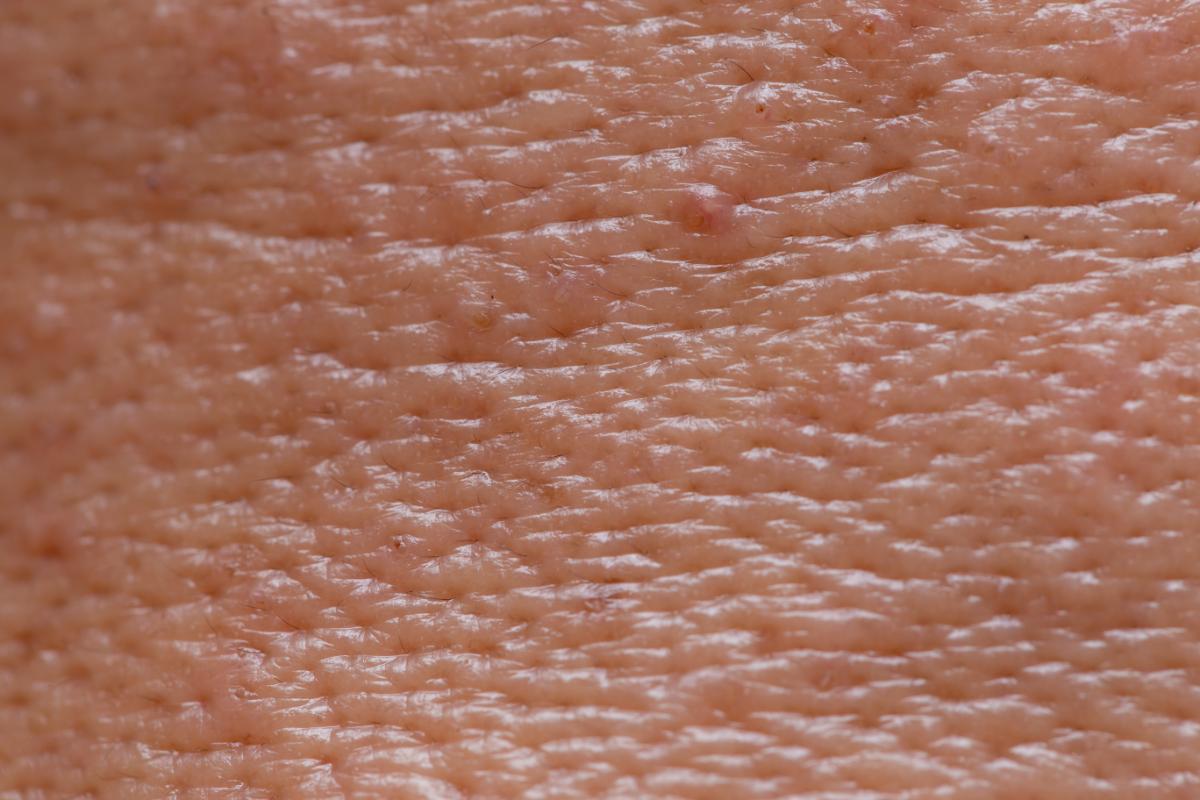
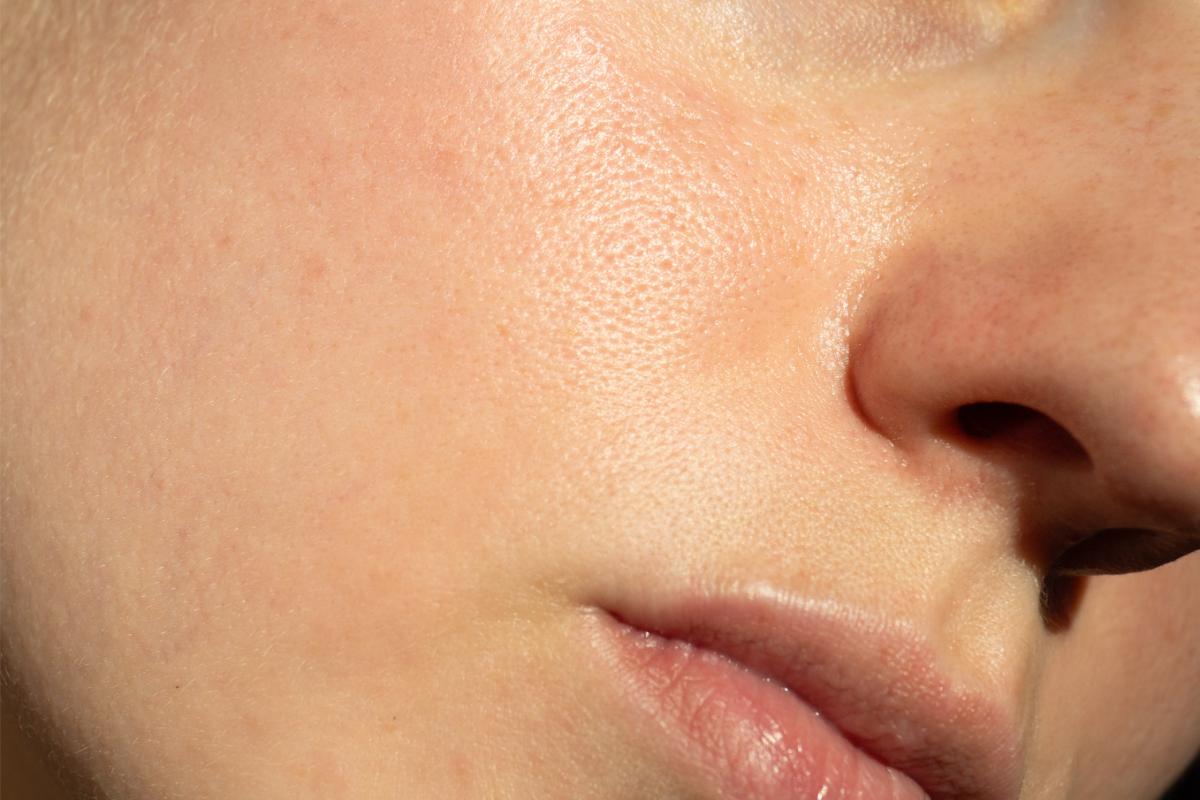
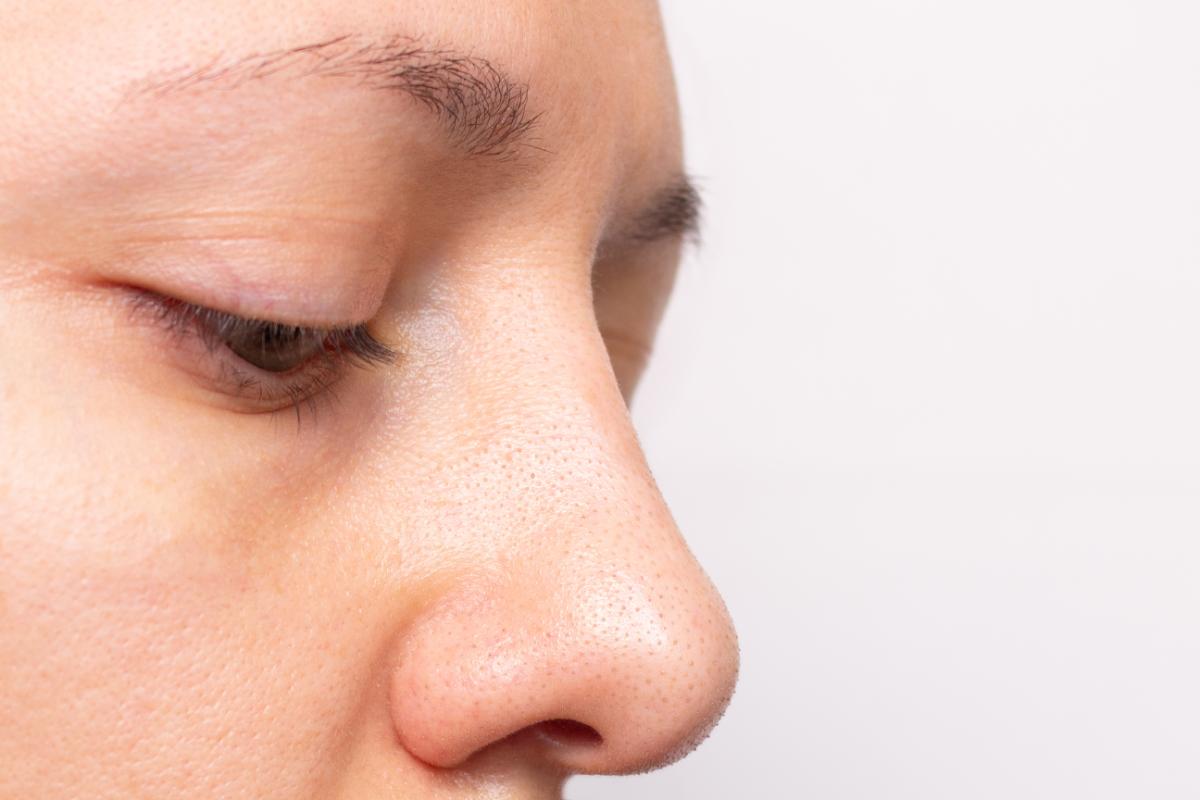
Pores, also known as comedones are visible openings on the skin’s surface and are often more noticeable in areas with higher oil production, such as the nose and inner cheeks. Their appearance may become more pronounced over time due to factors such as sun exposure and gradual changes in skin elasticity.

People with oily skin or a family history of enlarged pores may be more prone to them. While enlarged pores cannot be permanently eliminated, their appearance can be alleviated with appropriate skincare and tailored treatment, helping the skin look more even and refined.

What causes enlarged pores?

Prominent pores can develop from several key factors. Understanding these causes helps in choosing effective skincare and lifestyle strategies to reduce the appearance of enlarged pores.
01.

Excess oil production

Overactive sebaceous glands can lead to a buildup of oil in the pores, stretching them over time. Lifestyle and dietary factors—such as stress, high-glycemic foods, dairy, and the use of comedogenic products—can worsen this.
02.

Weakened pore walls

Sun damage and aging reduce collagen and skin elasticity, making pores more noticeable. Past trauma or inflammation, especially from acne, can further distort pore structure.
03.

Clogged pores

Accumulation of debris, dead skin cells, and excess oil can block pores and cause them to enlarge.
04.

Genetics

Inherited skin traits, including pore size and structure, play a major role in how prominent pores appear.

Who is at risk of prominent pores?

While anyone can develop enlarged pores, certain factors increase the risk:

How to minimise enlarged pores on the face

To help reduce the appearance of enlarged pores, try the following:

When to see a dermatologist

If you have persistent or recurring concerns about enlarged pores, notice changes in skin texture, or find that these concerns are affecting your confidence, you may wish to consult a dermatologist. This may be particularly helpful if enlarged pores are accompanied by frequent breakouts or ongoing changes in your skin.

At our clinic, Dr Laura Hui assesses pore appearance by considering factors such as size and distribution, as well as skin type, age, ethnicity, and lifestyle habits. Based on this assessment, suitable management options may be discussed, which can include professional care, targeted skincare, or medical treatments where appropriate.

Diagnosing and treating enlarged pores

A dermatologist assesses enlarged or prominent pores through a careful visual examination of the skin, taking into account factors such as pore size and distribution, skin type, age, ethnicity, and hormonal influences. This is usually followed by a discussion about skincare routines and daily habits that may contribute to pore visibility. Together, these help guide a personalised approach to managing pore appearance.

Treatment options

Treatment aims to reduce the appearance of pores and improve overall skin texture. Options include:

Topical treatments

Procedures

Prescription medications

Oral treatments for acne, such as spironolactone, isotretinoin, doxycycline, or combined oral contraceptives, may also reduce pore size.

Frequently Asked Questions​

Pore size is largely determined by genetics and age. While certain treatments can regularly reduce their appearance, there is no method to permanently shrink pores.
Most treatments for enlarged pores are generally comfortable, though some procedures may cause mild discomfort. Pain management options can be discussed with the dermatologist.
Enlarged pores are not harmful themselves, but they can increase the risk of clogged pores, acne, infections, and uneven or rough skin texture.
Clogged pores can result in blackheads (trapped oil and dead skin cells), whiteheads (similar but closed at the surface), and acne, which occurs when inflammation or infection develops.
Results depend on the type of treatment and the severity of the pores. Most people notice improvements within 2–4 weeks, though individual results may vary. Regular follow-up sessions are usually recommended for the best outcome.

Seeing a dermatologist at Auria Dermatology Clinic

Enlarged pores are a common concern, and we’re here to help. During your consultation, our dermatologist will take the time to understand your skin, discuss the best treatment options, and create a plan designed to leave your skin feeling smoother and more confident.

Begin Your Skin Journey with Confidence