
Acne vulgaris is a common skin condition that occurs when pores become clogged with excess oil, also known as sebum, bacteria, and dead skin cells. This blockage can result in blackheads, whiteheads, acne nodules and cysts. These commonly occur on the on the face, chest, and back as these areas contain a higher concentration of oil producing glands, also known as sebaceous glands.
Acne may be influenced by several factors, including:
While acne is most frequently seen during the teenage years due to hormonal fluctuations, it can affect individuals of any age.
A comedone forms when a pore becomes enlarged and blocked with sebum. This creates an environment where bacteria such as P. acnes can grow easily.
Nodulocystic acne can develop when bacteria multiply, pus builds up, and inflammation becomes more pronounced, making this a more severe stage of acne, that can potentially lead to marked scarring
Acne develops due to a combination of factors. Understanding these underlying causes can help with more effective prevention and treatment.

Hormonal changes are a major contributor to acne. Life stages such as puberty, menstruation, and pregnancy can increase oil production in the skin, making pores more likely to become clogged.
Androgens are hormones that stimulate sebaceous glands to produce more oil. Fluctuations in these hormones can trigger more frequent or severe breakouts, particularly in women.
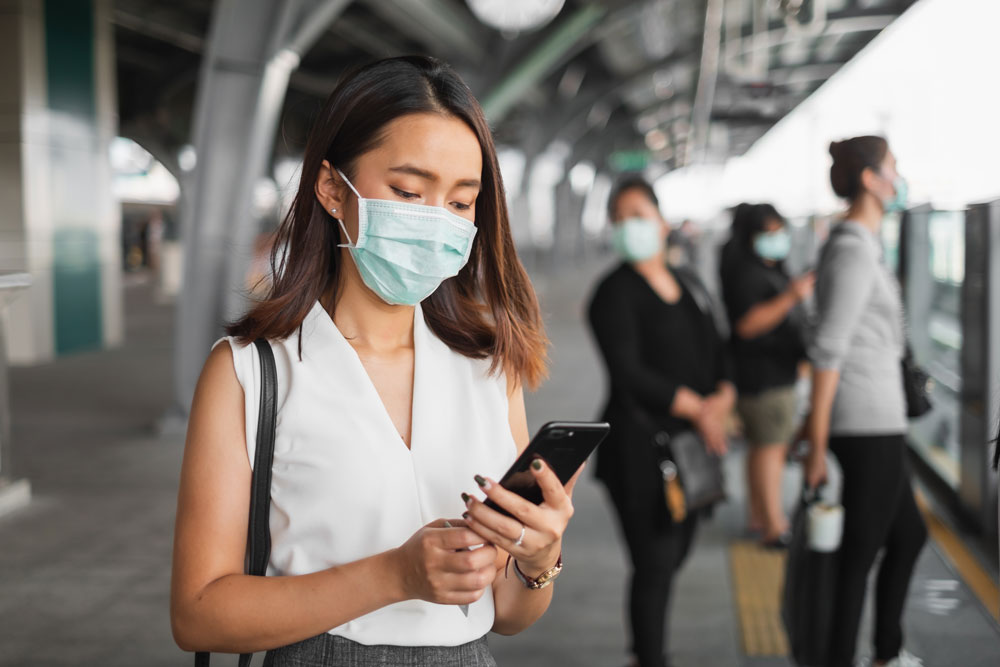
Environmental conditions can affect acne severity. High humidity and air pollution may block pores and worsen existing acne.
Some chemicals and comedogenic or occlusive skincare products can irritate the skin and lead to breakouts. Showering after exercise can help to remove sweat and bacteria, while over cleansing often dries and irritate the skin, which may contribute to more acne.

Daily habits also influence acne. Diet plays a role in skin health, with studies suggesting that dairy products and high glycemic foods may trigger acne in some people.
If self-care measures do not improve your acne, it may be time to consult a doctor. A primary care doctor can prescribe prescription only and/or stronger treatments, and if acne is persistent or severe, care from a skin specialist such as a dermatologist may be recommended. The goal is to guide you toward timely medical support and prevent long-term scarring and skin damage.

If self-care measures do not improve your acne, it may be time to consult a doctor. A primary care doctor can prescribe prescription only and/or stronger treatments, and if acne is persistent or severe, care from a skin specialist such as a dermatologist may be recommended. The goal is to guide you toward timely medical support and prevent long-term scarring and skin damage.
Consider booking a consultation if you experience any of the following:
In older adults, a sudden appearance of severe acne may sometimes indicate an underlying medical condition and should be assessed by a doctor.
If acne is affecting your self-esteem, emotional wellbeing, or daily activities, seeking professional care is important. Managing acne is not only about skin health but also about overall quality of life.
If you are unsure where to start, a consultation with our dermatologist, Dr Laura Hui, can help identify the cause of your acne and develop a personalised treatment plan suited to your skin needs.
Acne management is guided by the type and severity of acne, skin tolerance, and individual factors such as age and medical history. Treatment may involve topical therapies, oral medications, and selected medical or procedural options.
Topical therapies are often used as first-line treatment and may be combined depending on acne severity.
Oral treatments may be considered for moderate to severe acne or when topical therapy alone is insufficient.
We treat everything from basic blackheads and whiteheads to more complex issues like hormonal flares, painful cysts, and adult acne. Your treatment is specifically designed around your skin type and the intensity of your breakouts to ensure the best possible outcome.
Acne recovery is a journey that varies for everyone. While some notice a difference in just a few weeks, most patients see significant improvement within two to three months as the skin completes its natural healing cycles.
We treat everyone from adolescents to adults, including those struggling with persistent hormonal breakouts later in life.
Acne can present differently from person to person. At our clinic, consultations focus on understanding your skin concerns and confirming the type of acne involved. Management options are discussed based on acne severity, skin type, lifestyle, hormonal factors, and the risk of scarring.